
ACP Panel
Overview of ACP Panel
A HIGHLY COST-EFFECTIVE SOLUTION FOR OUTDOOR STOREFRONTS
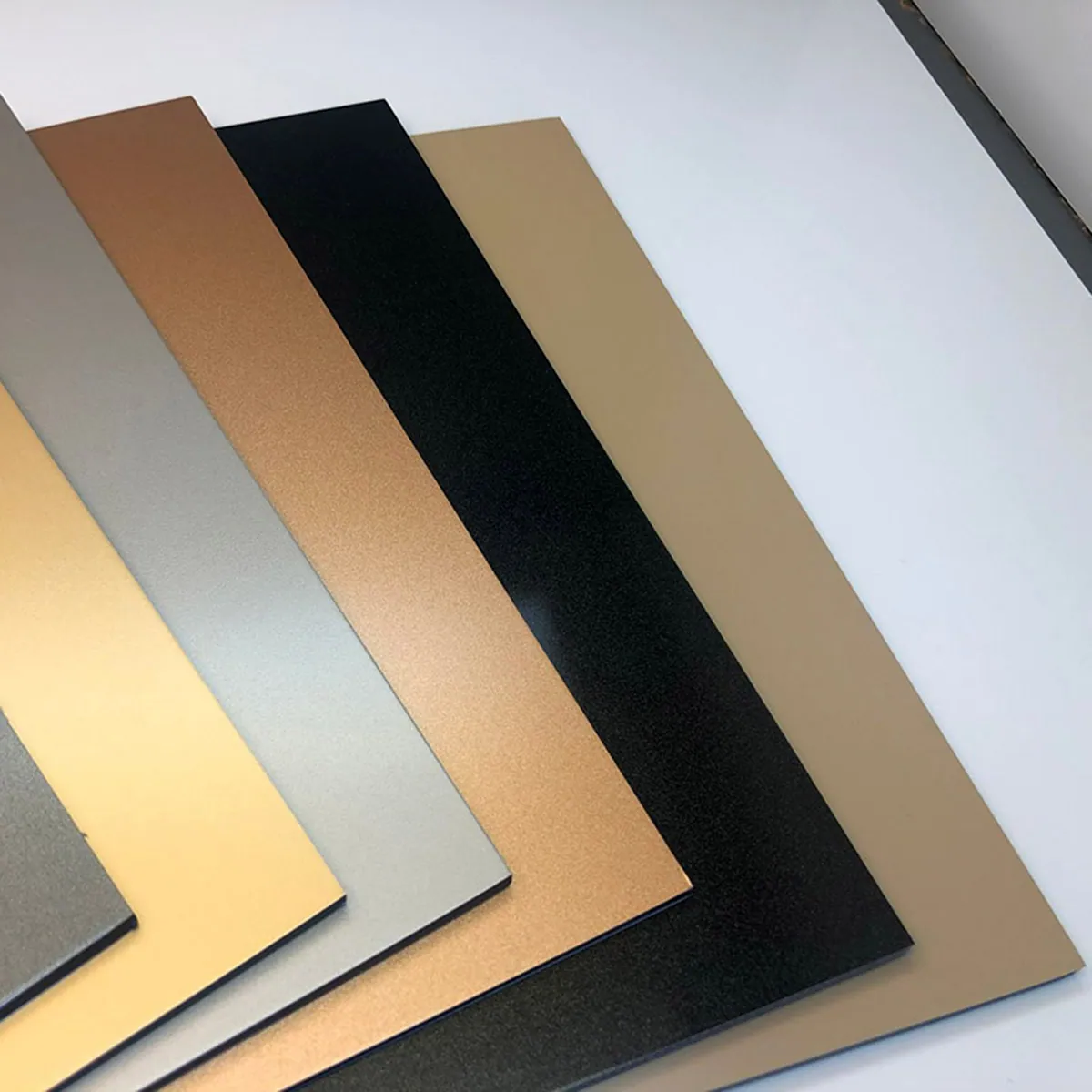
Wise offers aluminum composite panels that are lightweight and flexible, available in many textures. Aluminum composite panels (ACP) consist of two thin aluminum sheets bonded to a non-aluminum core. They are widely used for outdoor signage and are ideal for locations with stable temperature and humidity.
What’s an ACP Panel?
THE BASICS OF ALUMINUM COMPOSITE PANEL
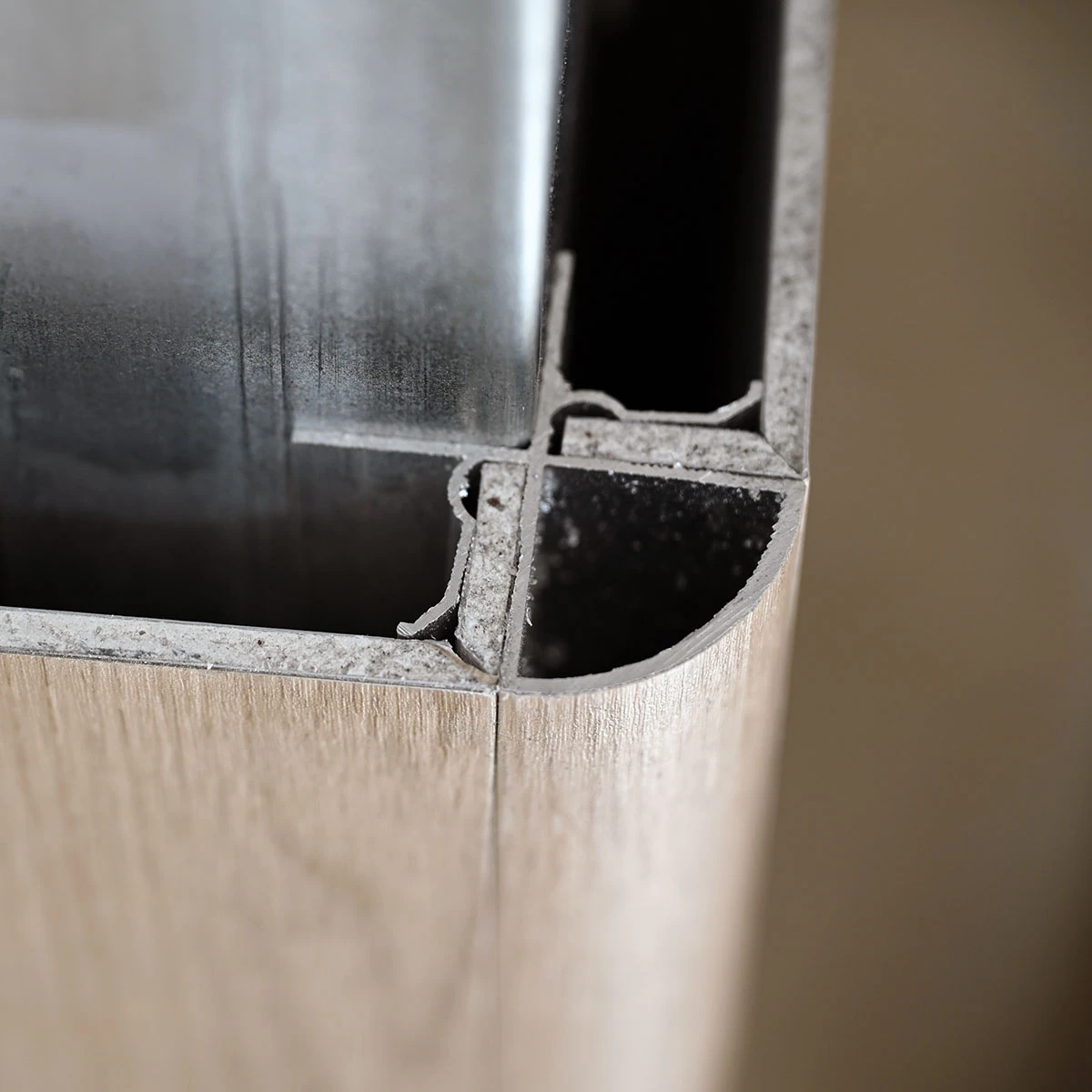
An ACP panel consists of a sandwich structure: two thin aluminum sheets bonded to a polyethylene (a type of plastic) core. This construction makes the panel lightweight, cost-effective, and easy to work with. The panel can be bent and cut easily to suit project needs.
Physical Properties
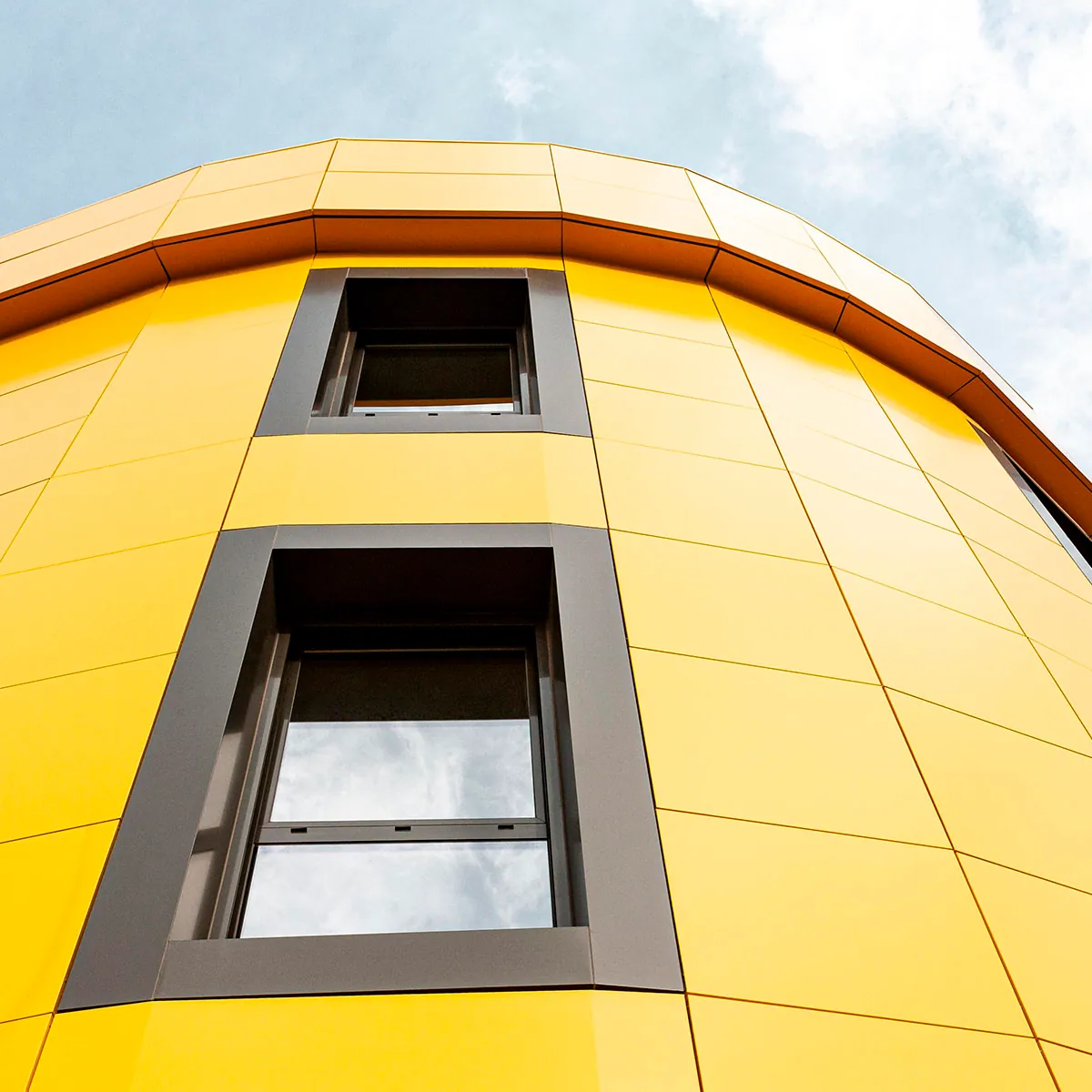
ACP panels are light, reducing the load on building structures. This allows fine designs, including deep 3D shapes, defined angles, and smooth curves.
Wide Range of Finishes
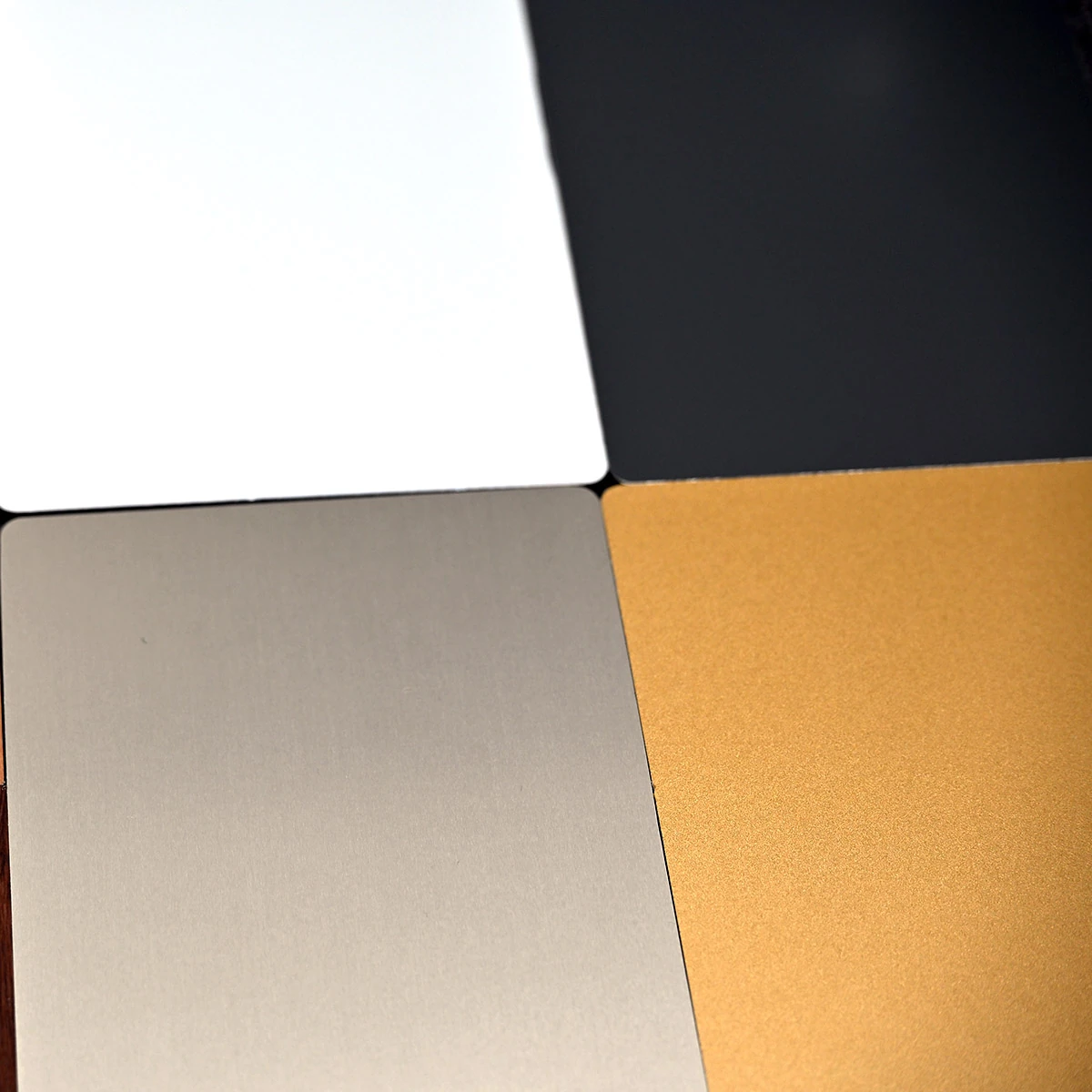
ACP panels come in many coating types, colors, and gloss levels. “Coating types” refer to various surface treatments that offer different appearances or protection. This flexibility offers nearly any color customization.
Proven Technology
The film lamination process excels at creating realistic stone, wood, and fabric textures.
High Plasticity
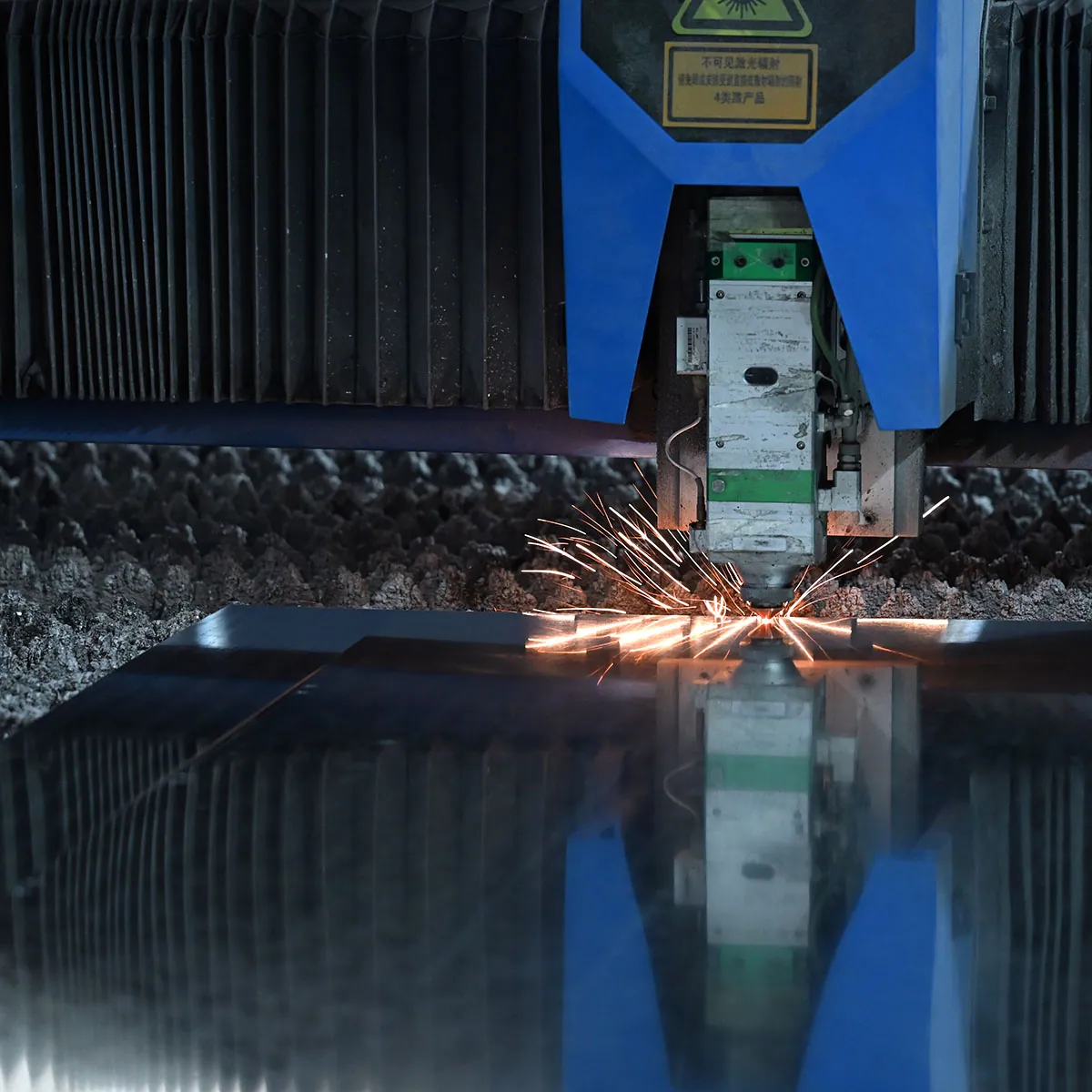
It can be bent, curved, punched, and shaped into hollow forms.
“ACP panels offer a lightweight, formable solution for versatile architectural uses. Their durable finishes and genuine textures ensure flexibility and lasting appeal covering multiple projects.”
Applications of ACP Panel
VERSATILE USES ACROSS INDUSTRIES AND DESIGN
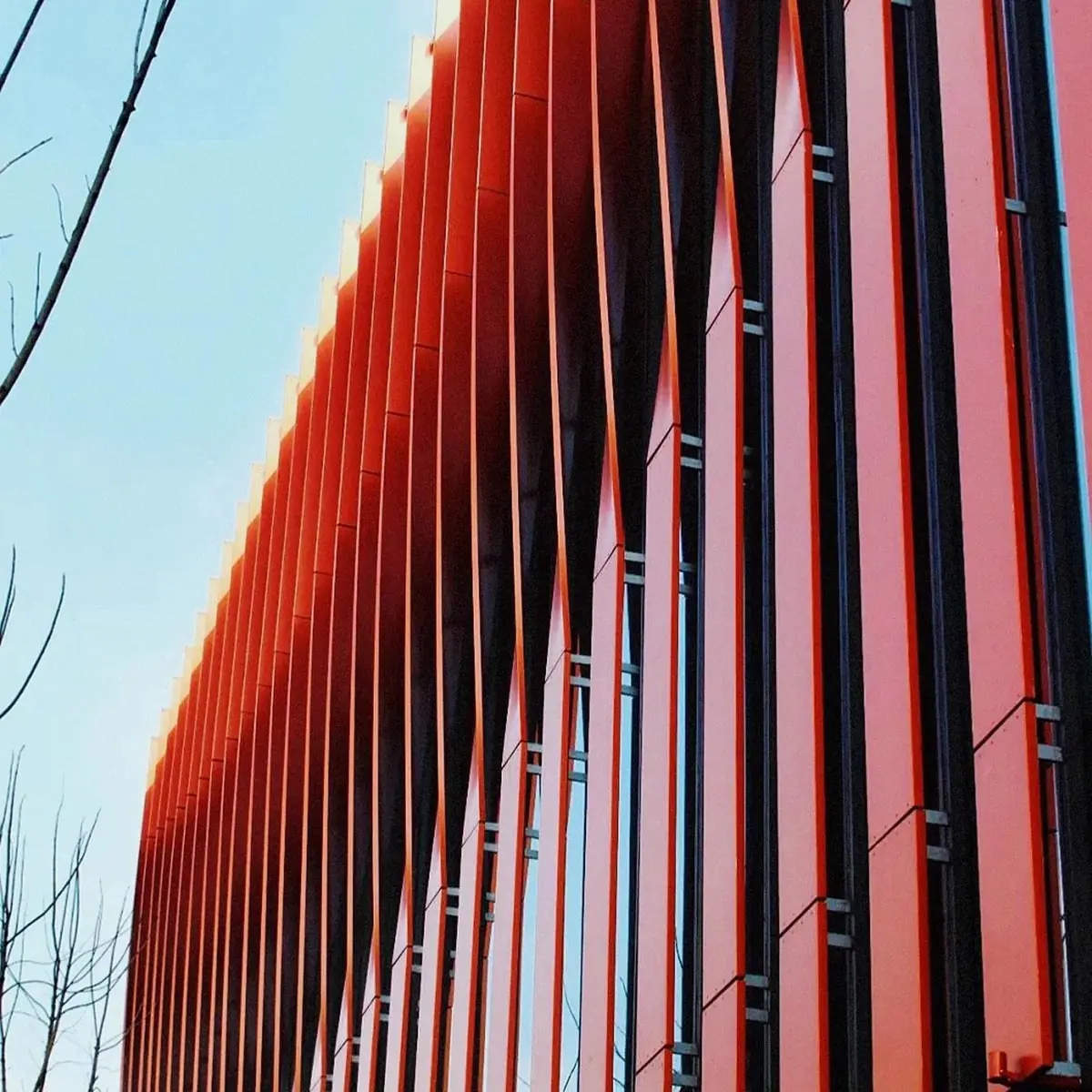
ACP panel suits low- to mid-rise buildings, complex curved designs, projects with tight budgets (where non-Class A fire rating is acceptable), and renovation work.
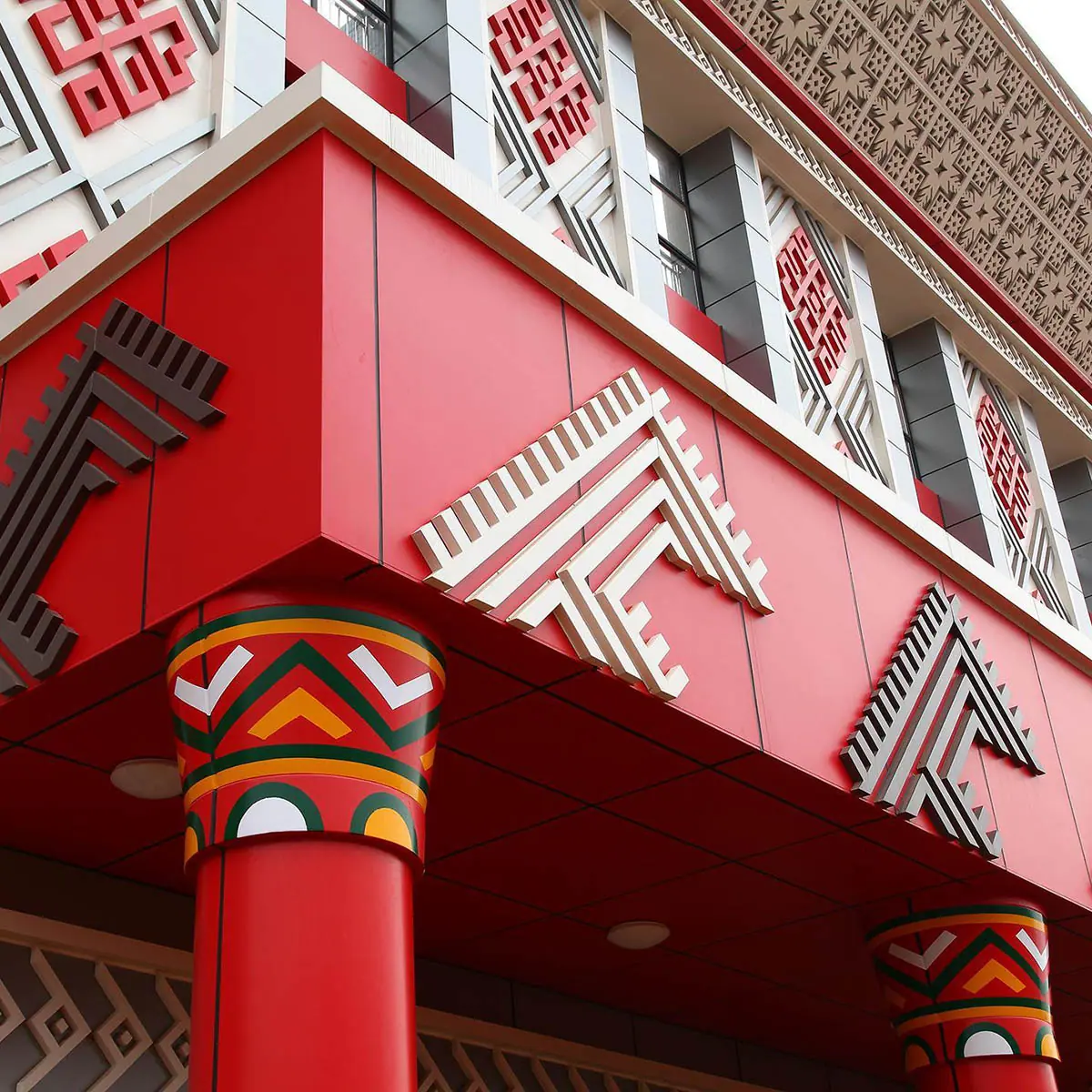
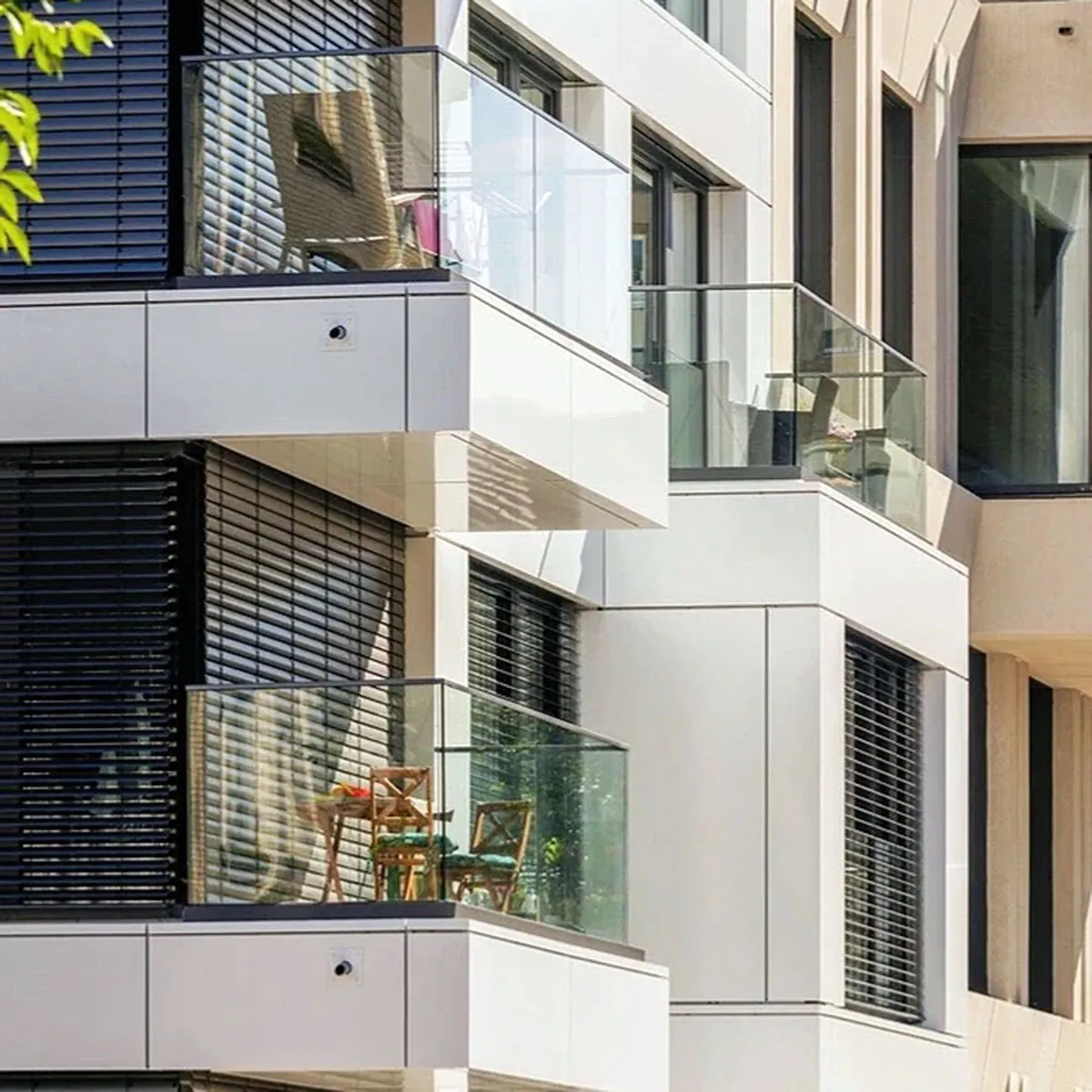
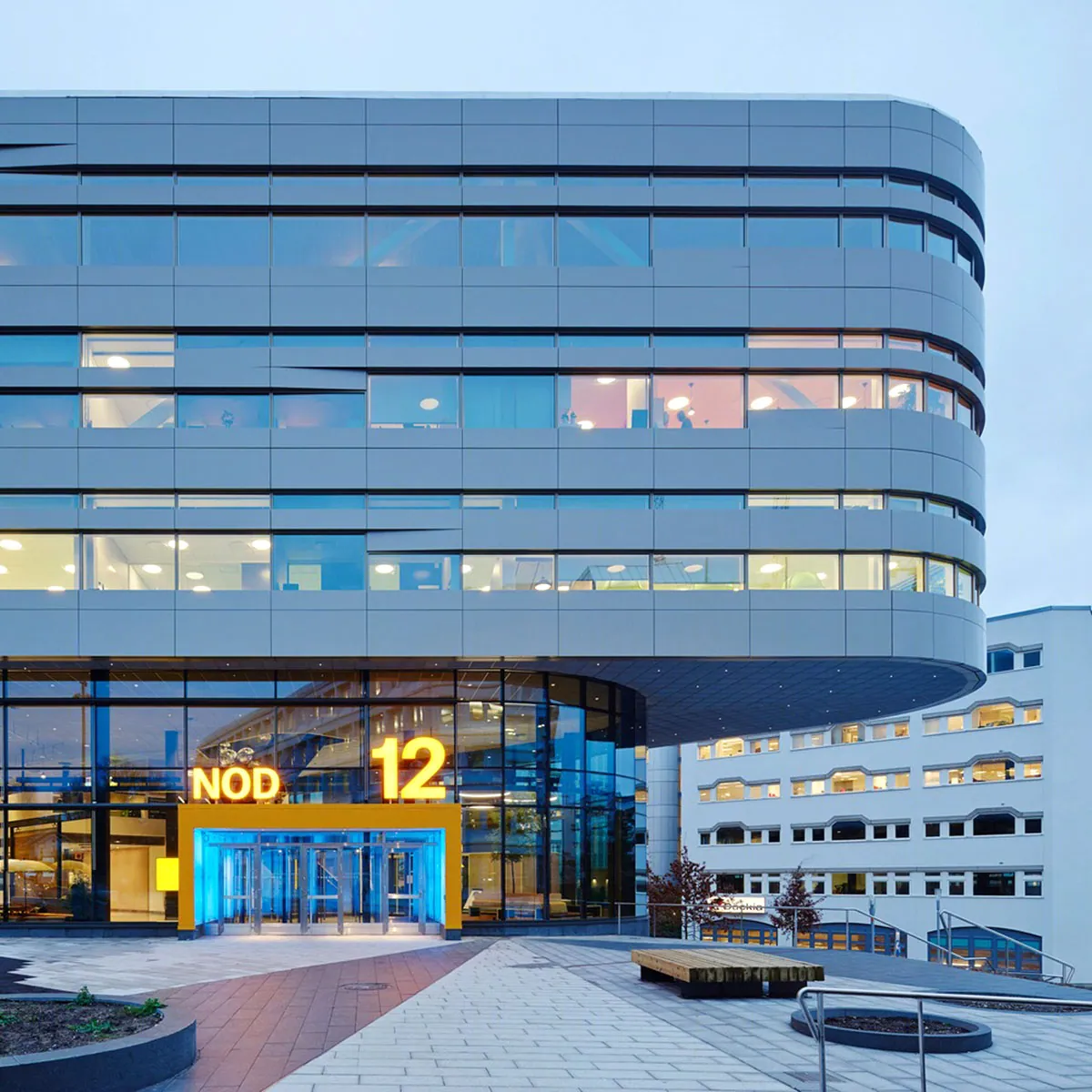
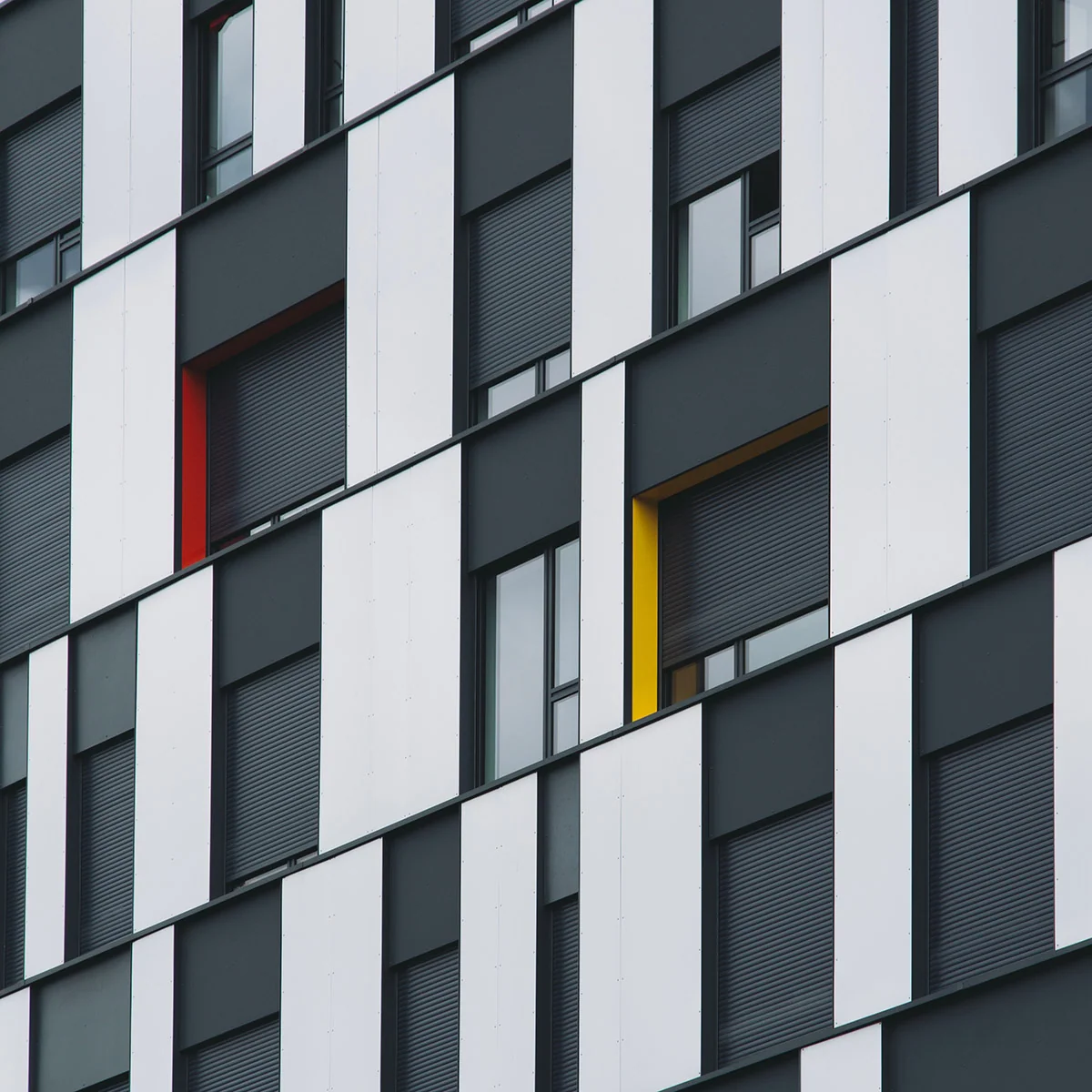
Commercial Building Facades
Modern, durable cladding with excellent weather resistance and aesthetic flexibility.
Lightweight Outdoor Signage & Branding
Ideal for eye-catching signage due to easy shaping and vibrant printing.
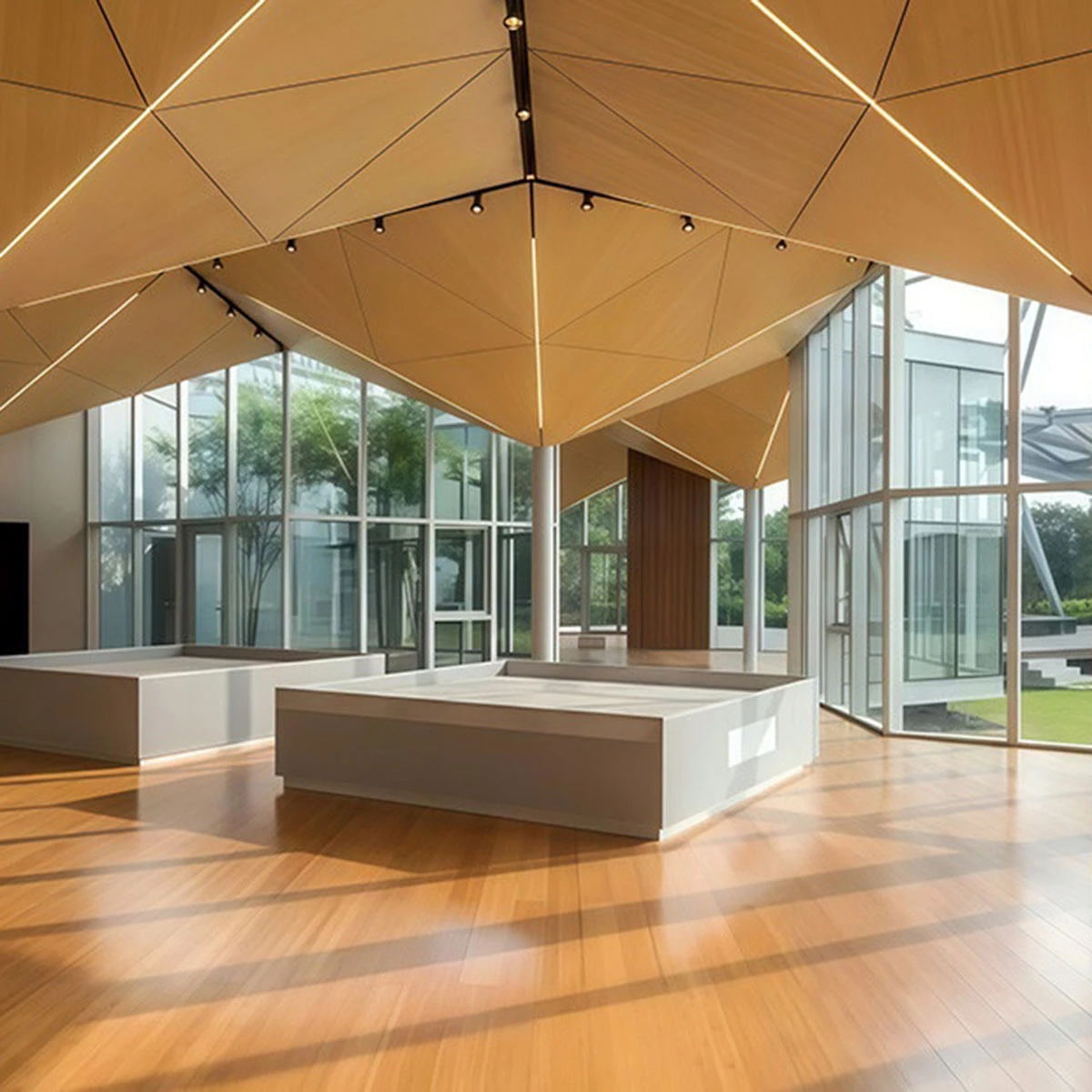
Interior Decorative Surfaces
Used for modern wall cladding and partitions in stylish spaces.
Renovation & Retrofitting Projects
Perfect for upgrading the exteriors of older buildings without heavy structural support.
“ACP panels remain a versatile, cost-effective solution for building and renovation needs. Their durability and design adaptability render them preferred for commercial, decorative, and signage projects.”
Specifications
Technical Details
Standard: AA1100/AA3003/AA5005
Thickness: 2mm-6mm
Width: 1220mm-1500mm
Length: 2440mm-6000mm
Core: LDPE
FR Grades: B2
Skin Thickness: 0.15mm~0.50mm
Finish: PE、PVDF、Film Lamination
Colors: Solid colors/ Wood-grain/ Stone-grain/ Fabric Pattern
Packing: Vertical Placement+Protective Film+Wooden Package
Surface Finishes for ACP Panel
Improving Durability and Visual Elegance
Our ACP panels feature stable surface finishes that improve both appearance and strength. Surface finishes are protective or decorative coatings added to the surface. Options include powder coating (provides vivid color), PVDF (polyvinylidene fluoride, offers high durability), and Film Lamination (adds various textures).
Polyester (PE) Roller Coated Finish
An economical option with many color choices, the polyester (PE) roller-coated finish is a coating commonly used on panel surfaces. This finish is best for interior decoration or short-term outdoor use in mild conditions.
PVDF Roller Coated Finish
Provides a good balance of weather resistance and cost. Commonly used for outdoor signs and mid-range building facades.
Film Lamination(PVC/PET/PVDF) Finish
This technology provides decorative effects like wood, stone, or fabric grains, offering great flexibility for creative designs.
“ACP panels are available in a selection of durable surface finishes that combine visual appeal with enhanced performance. Each provides separate aesthetic and protective qualities for varied project requirements.”
Benefits of ACP panels
Customizable Style and Green Qualities in One
ACP panels are versatile, weather-resistant, low-maintenance, and attractive. They outperform similar products in function and design.
Lightweight & strong
Weighing only 3-5 kg per square meter, ACP panels are lighter than aluminum sheets or glass of the same thickness. This makes transport and installation easier, while their composite structure resists wind pressure and impact.
Excellent Rigidity
ACP panels stay flat, flexible, and resist deformation for lasting quality.
Easy to Process
Easily cut and bent into complex shapes for on-site changes.
Self-Cleaning & Low Maintenance
Their smooth surface resists stains and cleans easily with mild detergent and water.
Frequently Asked Questions
QUICK ANSWERS TO COMMON QUESTIONS
Have questions about ACP panels? Browse our FAQs for insights on materials, applications, and installation to help plan your project.
Q1: What is the difference between ACP and ACM Panels?
A1:Both consist of two aluminum sheets with a core. ACP typically uses an LDPE (low-density polyethylene, a type of plastic) core, making it lighter and easier to cut. ACM usually refers to panels with a mineral or fire-resistant core. The key difference is their fire resistance rating.
Q2: What are ACP Panels used for?
A2:Common uses include: exterior walls of low-rise buildings, storefronts, renovation of old buildings, interior partitions, and ceiling decoration.
Q3: What materials are ACP panels made of?
A3:They are made of two aluminum sheets bonded to a low-density polyethylene (LDPE) core.
Q4: How do I choose the right thickness for an ACP panel?
- For exterior walls and door frames: The total thickness should be at least 4mm, with a surface thickness of at least 0.20mm.
- For interior or ceiling decoration: The total thickness is typically 3mm, with a surface thickness of at least 0.15mm.
Q5: What surface treatments are available for ACP panels?
A5:Polyester (PE) Roller Coating, PVDF (polyvinylidene fluoride) Roller Coating, PVDF Spray Coating, and Film Lamination (using films such as PVC, PET, or PVDF).
Q6: What colors are available for ACP panels?
A6:Solid colors (matte or glossy), wood grain, stone grain, fabric patterns, and more.
Q7: What is the lifespan of an ACP panel?
- Polyester (PE) Roller Coated: 3-5 years
- PVDF Roller Coated: 7-10 years
- Film Lamination (PVC/PET/PVDF): 3-10 years
Q8: What is the purpose of film lamination on ACP panels?
A8:Film lamination is a process that applies a decorative/protective layer (PVC, PET, or PVDF film). It can create patterns like wood, stone, or fabric grains and is chosen based on the project’s needs for durability and appearance, ideal for both indoor and outdoor use.
